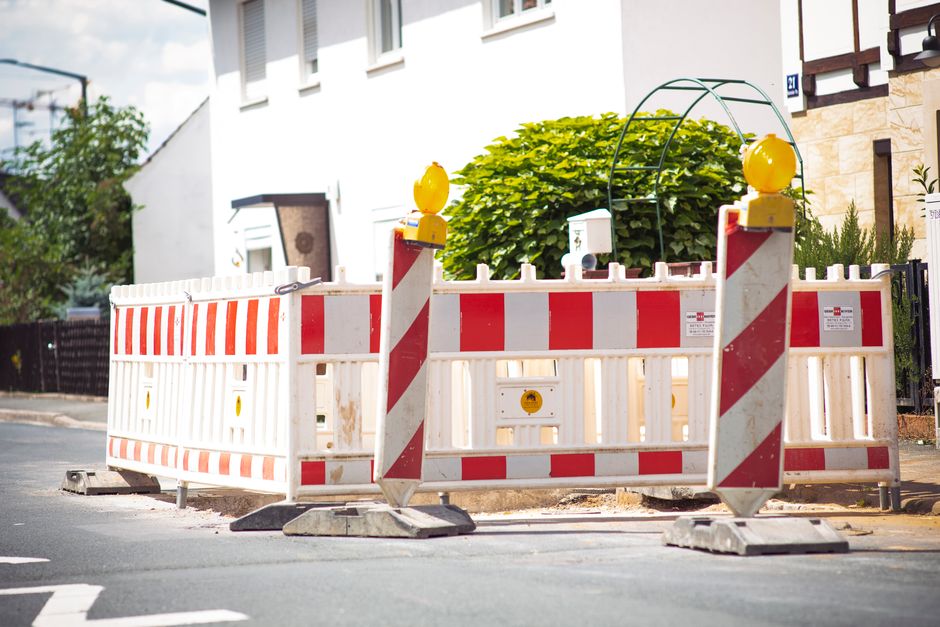
Do you need a road closure for Beddington moves?
If you are planning a move in Beddington, you may be wondering whether a road closure is actually needed or if a simple parking arrangement will do. It is a fair question. In many cases, the answer is no, but sometimes a temporary closure, suspension, or traffic management plan can make a move safer, quicker, and far less stressful. The right choice depends on the street, the size of the vehicle, how much space you have, and whether your move affects neighbours, passing traffic, or loading access.
In this guide, we will break down what a road closure means in practical terms, when it is worth considering, and how to plan a Beddington move without creating chaos on the kerbside. You will also find a checklist, a comparison table, and a realistic example so you can decide what makes sense for your situation. And if you are juggling boxes, stairs, narrow roads, and a time slot that is already tight - well, let's face it, moving day has enough drama without adding avoidable traffic problems.
Why Do you need a road closure for Beddington moves? Matters
Most home moves in Beddington do not require a full road closure. A removal van can usually load from the kerb, a driveway, or a legal parking bay, provided the vehicle is positioned safely and there is enough space for doors, ramps, and lifting. But Beddington includes streets where access can be awkward, parking is tight, and one poorly parked van can create a queue before you have even carried out the kettle.
That is why the question matters. A road closure is not just about "blocking the road". It is about reducing risk, keeping the move efficient, and avoiding conflict with residents or other road users. In a narrow street, one half-awkward manoeuvre can slow the whole day down. If the van cannot stop near the property, furniture takes longer to move, lifting becomes harder, and the chances of damage go up. If you have already been reading about manoeuvres for narrow streets on Beddington Lane, you will know how quickly access issues can multiply.
There is also the neighbour factor. A move that spills over into shared access, blocks a busy lane, or leaves no space for emergency access needs a more careful approach. That might mean a temporary suspension of parking, advance warnings, or in some cases a formal traffic management arrangement. So yes, the topic sounds logistical, but it is really about protecting people, property, and time.
Expert summary: for most Beddington moves, a full road closure is unnecessary. For difficult streets, larger vehicles, or properties with poor access, some level of parking control or temporary traffic planning may be the smarter route.
How Do you need a road closure for Beddington moves? Works
In practical terms, a road closure is the most restrictive option. It temporarily stops through traffic so that loading, unloading, or large vehicle movement can happen safely. That sounds straightforward, but in real life there are several possible levels of control, and they are not all the same.
You may only need:
- a parking suspension near the property;
- permission to load and unload in a restricted area;
- cones or signage to reserve space;
- a temporary traffic plan for a narrow section of road;
- or, in rare cases, a full closure.
The exact arrangement usually depends on the street layout, how much room the van needs, how long the vehicle will stay in position, and whether pedestrians or other vehicles can safely pass. On a quiet residential road, a small move can often be managed with a considerate setup and clear communication. On a tighter route, such as a street with pinch points, parked cars, and limited turning space, the move becomes more sensitive. If you are moving a sofa, a double bed, or heavier furniture, access space matters more than people expect. That is especially true if you are also coordinating help from a man with a van in Beddington or a larger removal vehicle.
For many moves, the better question is not "Do I need a road closure?" but "What level of space control will make this move safe and workable?" That small shift in thinking can save a lot of grief.
Key Benefits and Practical Advantages
When road access is handled well, the move tends to feel calmer almost immediately. You notice it in small ways: fewer awkward pauses, less carrying distance, a smoother handover from house to van, and less chance of someone darting around the vehicle while a wardrobe is halfway through the doorway.
- Safer lifting and carrying: shorter distances and clearer space reduce strain and reduce the chance of dropping items.
- Less damage risk: furniture is less likely to scrape walls, railings, door frames, or passing vehicles.
- Better time control: if the van is close, loading and unloading are quicker and more predictable.
- Less frustration: nobody enjoys dragging a mattress halfway down the street because the van could not get close enough.
- Better neighbour relations: advance planning and tidy access usually mean fewer complaints.
There is another benefit people overlook: mental clarity. Once you know where the van will stop, where the boxes will go, and how long access will be available, the whole day feels less foggy. That matters. Moving is already noisy, physical, and slightly chaotic. Anything that removes one layer of uncertainty helps. If you are trying to keep the process simple, it can also help to read about effortless packing techniques for home transitions and strategic decluttering tips before the move. Less clutter, less lifting, fewer trips. It all adds up.
Who This Is For and When It Makes Sense
Not every household needs road control, and that is fine. Some moves are simple enough that a well-parked van and a sensible arrival time are all you need. But road closure planning becomes more relevant in specific situations.
It may make sense if you are moving from:
- a narrow road with parked cars on both sides;
- a flat with no private parking nearby;
- a property on a bend, hill, or blind corner;
- a street with heavy daytime traffic;
- a location where a large van would block access for everyone else;
- a building with awkward loading access or a long carry distance.
You should think harder about it if you are moving:
- large furniture or specialist items;
- multiple rooms of contents;
- heavy items down stairs or through narrow halls;
- on a same-day schedule where timing is tight;
- in bad weather, when surfaces are slippery and movement slows down.
For example, a student moving from a small room may only need a compact vehicle and a clear parking spot. By contrast, a family moving from a terraced property with a piano, a bed, and several bulky pieces might need a far more structured setup. That is where services like piano removals in Beddington, furniture removals in Beddington, or even house removals in Beddington can become relevant, because the access plan has to match the load.
Truth be told, the streets decide more than the homeowner does. If access is tight, the plan needs to respect that. No point pretending otherwise.
Step-by-Step Guidance
If you are trying to work out whether a road closure is needed, use this simple process. It is not glamorous, but it works.
- Assess the street access. Look at width, bends, parked cars, turning room, and whether a van can stop near the entrance without blocking everything.
- Measure the practical loading space. Think about the length of the van, the position of the ramps, and how much room doors need to open fully.
- Check the property exit route. Can sofas, beds, or cabinets be carried out without repeated turns or difficult lifting angles?
- Estimate the time spent at the kerb. A quick loading point may not need formal control. A long, heavy move may.
- Consider traffic impact. If other vehicles would be forced to reverse, wait, or squeeze through, then more control may be needed.
- Decide between parking control and a closure. Many moves only need reserved space, not a full closure.
- Build the move around the access plan. Arrange arrival time, lifting support, and packing order to suit the street, not the other way round.
If you want a practical way to prepare, it can help to start with the step-by-step process to clean your home before moving and the site's packing and boxes support in Beddington. A tidy route through the property makes the access decision easier, because you can see what is really going out and how much space it will need.
A simple question to ask yourself is: if the van is parked slightly further away, will the job still be manageable without risk or delay? If the answer is no, then road access deserves much more attention.
Expert Tips for Better Results
In our experience, the smoothest Beddington moves are the ones where access is treated as part of the packing plan, not an afterthought. That sounds obvious, but plenty of people only think about the van once boxes are already piling up by the door.
- Keep a clear "moving lane" inside the property. A hallway full of coats, shoes, and random bits will slow everything down.
- Group bulky items first. Beds, wardrobes, sofas, and large appliances shape the van position more than small boxes do.
- Use a realistic loading estimate. If a staircase is awkward or the path is long, allow extra time. Always.
- Plan for the big item, not the small ones. One awkward sofa can matter more than twenty boxes.
- Tell neighbours early if access will be tight. A polite heads-up can prevent complaints before they start.
- Leave room for the unexpected. A blocked bay, a delivery van, or a suddenly busy street can change the plan fast.
If your move includes something awkward, such as a mattress, it is worth taking a moment to read top tricks for navigating bed and mattress moves. Bed bases and mattresses are classic troublemakers because they look easy until you turn them in a hallway. A bit like trying to carry a plank through a busy kitchen, only less fun.
One small but useful habit: take a photo of the road, the frontage, and the loading space the day before. You may not need it, but if you do, it helps everyone think clearly. Nice and simple.
Common Mistakes to Avoid
Most moving headaches around road access are avoidable. The problem is usually not bad luck. It is usually a rushed decision, or no decision at all.
- Assuming a closure is automatically required. Most moves do not need one. Overcomplicating the plan can be just as awkward as under-planning it.
- Ignoring the size of the van. A vehicle that fits on paper may still block the street in real life.
- Forgetting loading time. Parking for ten minutes is one thing. Loading for an hour is another.
- Leaving booking too late. If you need special access support, leave room for arrangements and confirmations.
- Not checking the street on the day before. Temporary works, refuse collections, or parked cars can change everything.
- Trying to force a tight manoeuvre. Sometimes the safe option is the slower one. That is fine.
- Failing to brief helpers properly. If everyone is carrying different things in different directions, the kerbside gets messy quickly.
The same thinking applies to vehicle placement and fines. If you want to avoid a last-minute headache, this guide on avoiding parking fines during a Beddington move is a useful companion read. Nobody wants their moving budget trimmed by a ticket. Not exactly the souvenir anyone asked for.
Tools, Resources and Recommendations
You do not need fancy equipment to manage road access well, but a few practical tools help a lot. The aim is to make the loading area obvious, safe, and easy to use.
- Measuring tape: handy for checking furniture dimensions and the usable width of a passage or driveway.
- Mobile phone camera: useful for recording the street layout and any access constraints.
- Labels and room markers: these help keep the unloading sequence organised, which matters when the van is waiting.
- Protective wrapping and blankets: less about the road itself, more about making quick loading safer in tight spaces.
- Clear packing materials: sturdy boxes and tape reduce the chance of re-packing at the kerbside.
For a good overview of the moving service options that can support access planning, see the services overview, removal services in Beddington, and removal van options in Beddington. If the move is more urgent, same-day removals in Beddington may also be worth considering, because speed and access planning often go hand in hand.
For heavier or specialist items, the right support matters more than the number of hands. If you are moving a piece that cannot simply be tilted, dragged, or squeezed through a narrow gap, specialist lifting and safe handling are worth the extra thought. A smooth move is usually a planned one, not a heroic one.
Law, Compliance, Standards, or Best Practice
Road closures, parking restrictions, and temporary access arrangements are not something to guess at. In the UK, they are usually subject to local authority rules, traffic management requirements, and safety considerations. The exact process can vary by street and council, so it is always wise to check what applies before you commit to a plan.
For everyday household moves, the best-practice approach is usually:
- avoid blocking emergency access;
- do not place vehicles where they create danger for pedestrians or road users;
- use lawful parking and loading arrangements;
- communicate early with anyone who may be affected;
- keep the loading area orderly and supervised.
Removal work also benefits from basic health and safety discipline. That includes sensible lifting, clear walkways, appropriate vehicle positioning, and avoiding rushed carries. If you want a fuller sense of how a reputable mover thinks about safety, the site's health and safety policy and insurance and safety information are relevant reads. Good practice is not just about paperwork; it is about making the day less risky for everyone around the property.
One final compliance note: if your move involves parking control, street obstruction, or anything that could affect neighbours or traffic, do not leave it until the morning of the move. That is the sort of mistake that turns a manageable job into a scramble. And nobody enjoys a scramble before breakfast.
Options, Methods, or Comparison Table
Here is a simple way to compare your options. In most Beddington moves, one of these approaches will make more sense than a full road closure.
| Option | Best for | Pros | Limitations |
|---|---|---|---|
| No special control | Quiet streets, short loading times, easy access | Fast, simple, low admin | Not suitable if parking is tight or traffic is busy |
| Parking suspension or reserved loading space | Most residential moves with limited kerb space | Protects space without blocking the whole street | Still needs planning and may not solve every access issue |
| Temporary traffic control | Narrow streets, larger vans, difficult manoeuvres | Improves safety and gives the crew room to work | More coordination, and not always necessary |
| Full road closure | Rare cases with major access or safety concerns | Maximum control and working space | Highest level of disruption and usually the most complex to arrange |
The table is the short version, really. If you can manage with reserved space, that is often enough. If the street is awkward but still passable, a full closure may be overkill. And if you are moving from a flat with stairs, you may find the real issue is not the road at all, but the carry route through the building. In that case, staircase and narrow hall moves in Beddington will probably matter more than traffic control.
Case Study or Real-World Example
Imagine a two-bedroom flat move on a residential Beddington street. The road is narrow, cars park on both sides, and the front door opens straight onto the pavement. The occupants have a sofa, two beds, several boxes, and a bulky dining table. At first glance, a road closure sounds appealing because the street looks cramped.
But after a proper look, a full closure may not be necessary. Instead, the move could be handled with:
- an early arrival slot;
- a reserved loading space close to the entrance;
- clear communication with nearby neighbours;
- careful item staging inside the property;
- and a van that is sized to fit the street properly.
In that kind of situation, the move is often smoother if the crew loads in a sensible sequence: large furniture first, boxes second, final loose items last. The front room stops looking like a storm has passed through it, and the kerbside stays under control. If there is a last-minute complication, such as limited parking or a time pressure issue, a service like last-minute removals in Beddington can help restore some structure. Not magic, obviously. Just a steadier process.
A more complex example would be a move involving a piano, a long carry from the property to the van, and a road with poor visibility. In that case, the access plan should be reviewed carefully because the risk profile changes. You may not need a full closure, but you probably need more than "park wherever and hope for the best".
Practical Checklist
Use this checklist before moving day. It keeps the decision about road closure or access control grounded in reality, not guesswork.
- Check whether the street is narrow, busy, or often parked up.
- Confirm how close the van can legally and safely stop.
- Measure large furniture and note any awkward items.
- Review staircases, hallways, and doorway widths.
- Decide whether a reserved loading space is enough.
- Ask whether a full closure would be proportionate or unnecessary.
- Tell neighbours if access may be affected.
- Prepare packing so items can move out quickly.
- Keep paths clear inside and outside the property.
- Have a backup plan if parking or access changes on the day.
- Confirm timing with your movers or helper.
- Double-check that you are not blocking emergency access or crossing into unsafe territory.
If you still feel unsure after going through that list, it is usually a sign that the access arrangement needs a second look. That is not a bad thing. Better to question it now than stare at a blocked street at 8:15 in the morning and wish you had asked sooner.
Conclusion
So, do you need a road closure for Beddington moves? In most cases, no. A full closure is usually too much for a normal household move. What you more often need is the right level of access planning: good parking, clear loading space, a realistic schedule, and a van that suits the street.
Where Beddington roads are tight, busy, or awkwardly parked, a temporary parking arrangement or traffic control can make a real difference. The point is not to make the move complicated. The point is to make it safe, smooth, and respectful of everyone around you. That is the sweet spot.
If your move has tricky access, heavy furniture, or timing pressure, the best next step is to check the street layout early and choose the least disruptive solution that still gives the crew enough room to work. Simple, calm, practical. That usually wins.
Get a free quote today and see how much you can save.
Frequently Asked Questions
Do you usually need a road closure for a house move in Beddington?
Usually not. Most Beddington house moves can be handled with legal parking, a loading bay, or a reserved space rather than a full closure.
What is the difference between a road closure and a parking suspension?
A road closure stops general traffic from using the road section, while a parking suspension mainly reserves parking space so the van can load safely.
When does a Beddington move actually need more traffic control?
It becomes more likely when the street is very narrow, the access is poor, large vehicles are involved, or the move would otherwise block traffic or pedestrians.
Can a removal van just stop outside my property?
Sometimes yes, but only if it is safe and legal to do so. The real issue is not convenience, it is whether the vehicle can load without causing a hazard.
How far in advance should I plan access for moving day?
As early as possible. If you suspect parking or street access will be tight, sorting it out a few days or weeks ahead is far less stressful.
Do flats in Beddington need different access planning from houses?
Yes, often they do. Flats can involve longer carries, stairs, shared entrances, and less direct parking, so road access and building access both need attention.
What if my street is narrow but not impossible?
Then you probably do not need a full road closure. A careful loading plan, sensible van size, and perhaps reserved parking may be enough.
Will a road closure make the move faster?
It can, but only if the access problem is significant enough to justify it. For most moves, better parking and planning give enough of a speed boost without full closure.
What should I check before deciding on road access arrangements?
Check the street width, parked cars, loading distance, size of the van, and whether large items can be carried out safely without blocking others.
Are there safety reasons to avoid squeezing a van into a tight street?
Yes. Tight manoeuvres can increase the risk of damage, strain, and conflict with other road users. If it feels awkward, it probably is.
Can I handle the move without special access arrangements if I am only moving a few boxes?
Very likely, yes. Small moves usually need much less planning than full house moves, although parking rules still matter.
What is the smartest first step if I am unsure?
Look at the street in person, measure the access, and speak to the mover early. That one conversation can save a lot of guesswork later.
Should I choose a smaller van instead of a road closure?
Often a smaller van is the more practical answer. If the load can still be moved safely in one or two trips, that may be better than disrupting the whole street.
For more context on who the team is and how they work, you can also visit the about us page. And if you are ready to start planning, the contact page is there when you need it. A bit of preparation now can make the whole day feel much lighter, and honestly, that relief is worth a lot.