Beddington Village removals tips for tight drives and parking
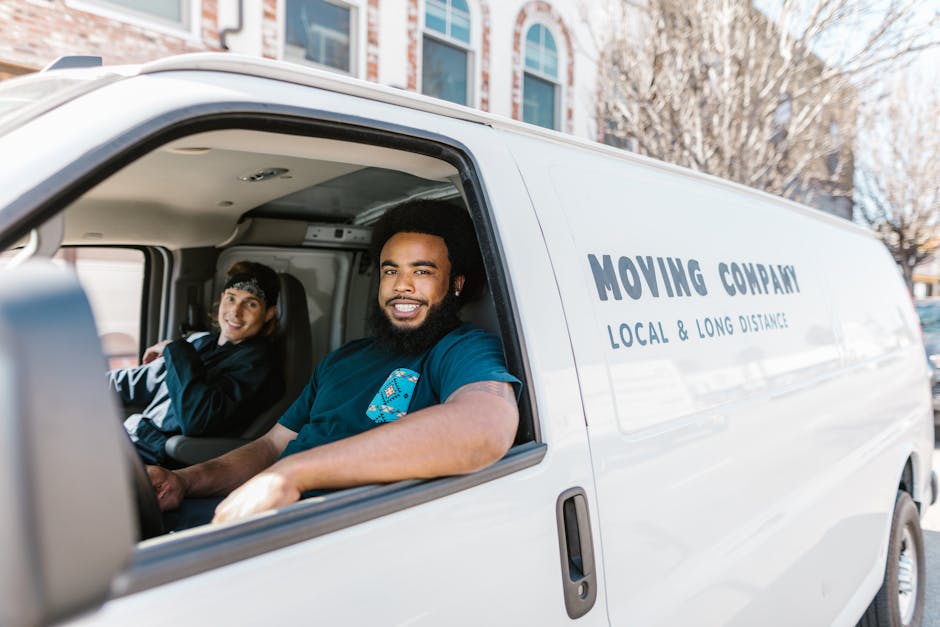
Moving in Beddington Village can feel straightforward on paper, then suddenly you arrive and realise the road is narrower than you expected, there's a car parked right where you needed space, and the turning circle looks a bit... optimistic. That's exactly why Beddington Village removals tips for tight drives and parking matter. A good move here is less about brute force and more about planning, timing, and choosing the right vehicle setup for the street you actually have, not the one you hoped for.
In this guide, we'll walk through the practical side of getting a removals vehicle in and out safely, how to reduce parking stress, and what to do if access is tight on the day. You'll also find a checklist, a comparison table, and the kind of small real-world tips that make a move feel manageable rather than chaotic. To be fair, that is usually what people need most: calm, specific advice, not vague "just plan ahead" platitudes.
Why Beddington Village removals tips for tight drives and parking Matters
Beddington Village has the kind of local access challenges that can turn a simple move into a stop-start exercise if you don't think ahead. Tight residential roads, parked cars, limited kerb space, and awkward corners can all slow loading and unloading. Even when the move itself is small, the access problem can be the thing that eats time, energy, and patience.
This matters because removals are not just about getting items from A to B. They're about reducing handling, avoiding damage, and keeping people safe while everything is being moved around a vehicle. If the van cannot stop close enough to the property, you get more lifting, more walking, and more opportunities for knocks and scrapes. That's the part people often underestimate.
In our experience, the difference between a smooth local move and a stressful one usually comes down to three things: vehicle choice, parking strategy, and honest access planning. If you sort those early, the rest tends to follow much more calmly. And yes, it really can be that simple, even if the day itself still feels busy.
For people comparing moving help, it can also be useful to look at the broader service setup. A local man and van arrangement may suit lighter loads and tighter streets, while larger homes may need a more structured house removals approach. The right fit depends on the access, not just the volume.
How Beddington Village removals tips for tight drives and parking Works
The core idea is simple: match the move plan to the street conditions. If access is narrow, you want to minimise the distance between the front door and the vehicle, avoid reversing where possible, and choose a loading position that lets the team work safely and efficiently.
Here's what that usually means in practice:
- Check whether the van can stop close to the entrance without blocking driveways or junctions.
- Look at turning space before the moving day, not after the furniture is already out.
- Decide whether a smaller vehicle, more trips, or a shuttle-style load transfer will work best.
- Protect the route between house and van so items aren't dragged through gates, gravel, or tight side passages.
- Keep the timing realistic, especially if parking is shared or likely to be busy in the morning.
That last point is a big one. A quiet street at 7:30 a.m. can feel entirely different at 9:00 a.m. when school runs, commuters, and delivery vans all arrive at once. The same driveway can go from usable to awkward in half an hour. A bit annoying, but very real.
Good access planning also means thinking about the order of loading. Heavy, bulky pieces should usually go in first, but only if the path to the vehicle is clear enough that you're not constantly shuffling them around in the hallway. If there's an awkward bend, narrow porch, or tight gate, you may need to stage items in a safer intermediate spot before taking them out to the van.
If you want a service that is used to balancing these practical decisions, browsing the main removal services page can help you understand the broader options. For larger, more coordinated property moves, the company's movers page may also be useful as part of your planning.
Key Benefits and Practical Advantages
The obvious benefit is less stress. But there are several more that tend to matter just as much on moving day.
- Less damage risk: When the van is parked well, items are carried shorter distances and are less likely to be bumped.
- Faster loading: Good access means fewer wasted steps and less waiting around.
- Safer handling: Tight drives can be hazardous if people are carrying large items through pinch points.
- Better timing control: A move that starts on schedule usually stays on schedule, more or less.
- Lower stress for neighbours: Thoughtful parking makes it less likely you'll block access or create unnecessary friction.
There's also a less visible benefit: confidence. If everyone knows where the vehicle will sit, which door to use, and how items will be passed, the whole operation feels more controlled. That calm matters. It makes a long day feel shorter.
Expert summary: In tight-access areas, the best moving plan is rarely the fanciest one. It is the one that reduces reversing, shortens carry distance, and keeps the parking arrangement simple enough that nobody has to improvise under pressure.
That principle is especially useful if you're deciding between a smaller moving van and a larger moving truck. Bigger is not always better. Sometimes it's the exact opposite.
Who This Is For and When It Makes Sense
This guidance is useful for anyone moving in or out of a street with limited access, but it's especially relevant if:
- your road has parked cars on both sides;
- you have a steep, narrow, or awkward driveway;
- the property sits on a bend or close to a junction;
- you live in a terrace, flat, or converted building with limited frontage;
- you're moving larger furniture or appliances;
- you need to keep disruption low for neighbours or shared access areas.
It also makes sense for businesses. Office moves can be just as tricky as home moves, especially if the premises are in a built-up part of the village or near busier roads. If that sounds familiar, the office removals and office relocation services pages may be useful for understanding how a more coordinated move is handled.
And let's face it, some people simply do not want to gamble on street parking with a van full of furniture. Fair enough. If you'd rather have someone used to tricky access, a local removal company or a smaller-scale man with van removal setup may be the more sensible route.
Step-by-Step Guidance
Here's a practical way to approach the move from start to finish.
1. Walk the access route before moving day
Stand at the front of the property and actually look at the path to the road. Check gate widths, low walls, railings, steps, slopes, and any areas where two people can't pass comfortably. A route that seems fine when empty can feel much tighter once you are carrying a wardrobe or sofa.
2. Measure the vehicle space, not just the street
People often think about whether "a van can fit," but that's too broad. You need to know whether the van can stop, load, and pull away cleanly without causing a problem. A compact parking spot may be fine for a small vehicle, while a longer van could block the pavement or make reversing unpleasantly awkward.
3. Choose the loading point with the least risk
If the driveway is tight, a roadside stop slightly further away might actually be better than forcing the vehicle into a bad angle. Strange as it sounds, the safest option is not always the nearest option. It's the one that keeps everyone moving smoothly.
4. Pack in the order that suits the access
If the front room is easiest to reach, put the bulk of the heavier items there first. If the hallway is narrow, keep boxes stacked neatly rather than spread out. This reduces clutter and helps the team work without a chorus of "sorry, can I just squeeze past?" every thirty seconds.
5. Communicate parking and timing clearly
Tell everyone involved when the vehicle is expected, where it will stop, and whether a neighbour's car might need to be moved. If there is a resident permit issue or a narrow frontage, make that clear early. It's much easier to sort a parking plan in advance than to do it with the driver already waiting outside.
6. Protect the property and the vehicle
Use door protectors, blankets, and floor coverings where needed. Tight drives often mean tighter margins, so one small knock can become an expensive annoyance. The aim is not to overcomplicate things. Just create enough buffer for people, furniture, and the van itself.
7. Keep a backup plan
What happens if someone parks in the spot you planned to use? What if the driveway is unexpectedly blocked? Have a second option ready, even if it's only a couple of doors away. A backup plan sounds a bit overcautious until you need it. Then it looks smart.
Expert Tips for Better Results
A few small improvements can make a surprisingly big difference.
- Use cones or a clearly agreed marker only where appropriate and only if it won't create a public obstruction. Keep it simple.
- Schedule the move early in the day if street parking is likely to fill up later.
- Split delicate items from bulky items so you are not constantly re-handling fragile boxes while trying to manage access.
- Keep essentials separate so the first thing you need at the destination is not buried under dining chairs and kettles.
- Photograph the access if you're unsure whether a van will fit comfortably. It can help you compare the space honestly.
One practical tip many people miss: allow for the vehicle door swing. A parking space can look generous until the side door opens and meets a wall, hedge, or low post. That's when the muttering starts. Best to avoid it.
Also, think about who is carrying what. Two people can sometimes manage a bulky item more safely than four people crowding a narrow path. More bodies does not automatically mean better handling. Sometimes it means more elbows.
If you are also sorting belongings before the move, the packing and unpacking services page may help you understand how a more organised load can reduce time spent blocking access at the front of the property.
Common Mistakes to Avoid
Most moving day problems in tight streets are avoidable. The catch is that they are also very easy to underestimate.
- Assuming a larger van is always better. Bigger vehicles can create more access trouble than they solve.
- Not checking the parking position beforehand. Guessing on the day usually wastes time.
- Leaving cars in the way. A single blocked driveway can throw off the whole schedule.
- Ignoring narrow turn-ins or low branches. These little obstacles are the ones that catch people out.
- Packing without thinking about the exit route. A perfectly packed room is no use if you can't get the sofa through the front path.
- Forgetting neighbour and street access. Tight roads need a bit of courtesy. It goes a long way.
One slightly frustrating truth: a move can be going well and still go wrong because the parking plan was vague. That's why access planning deserves the same attention as packing. Maybe even more, if the street is tight enough.
Tools, Resources and Recommendations
You do not need fancy kit to manage a tight-drive move, but a few practical items help a lot.
- Measuring tape: useful for checking gates, hallways, and clearances.
- Furniture blankets and straps: good for protecting surfaces during shorter, more careful carries.
- Floor protection: particularly useful where the route includes wet paving, gravel, or worn thresholds.
- Labels and coloured tape: simple, old-school, and very helpful when items are being moved quickly.
- Phone photos: a quick visual record of the street and access point can save a lot of back-and-forth.
From a service perspective, it can help to compare the move style against your property type. A smaller local move may fit a removals van or a flexible man with a van setup. Bigger household jobs are more likely to need a fuller house movers approach. There isn't one perfect answer. The best choice is the one that matches the street.
If you're still unsure, checking pricing and quotes can help you compare the likely cost of different move sizes and vehicle types. That is usually the point where things become clearer.
Law, Compliance, Standards, or Best Practice
For removals in the UK, the most important thing is to follow sensible road safety and parking practice, local rules, and any property-specific instructions that apply to your building or street. If a vehicle is parked, it should not create a dangerous obstruction, block essential access, or force people into unsafe manoeuvres. That's common-sense territory, but it matters.
If you're moving on or near a public road, it's also wise to be careful with temporary loading, pedestrian access, and visibility. In tight residential areas, the practical standard is simple: keep disruption as low as you reasonably can and avoid making assumptions about space. Streets are busier than they look.
For insurance and peace of mind, it helps to understand how the move provider handles lifting, transit, and property protection. The insurance and safety information is a sensible place to review before booking, alongside the company's health and safety policy. Those pages don't solve parking problems on their own, of course, but they do show how seriously the move is managed.
Best practice is really a mix of planning, communication, and restraint. If a parking option feels too tight, it probably is too tight. Trust that instinct. It saves bother.
Options, Methods, or Comparison Table
Here's a simple comparison of common approaches for tight-drive and parking-sensitive moves.
| Approach | Best for | Advantages | Trade-offs |
|---|---|---|---|
| Small man and van setup | Light to medium loads, narrow streets | Easier parking, often quicker to position, less stress in tight access | May need more than one trip for larger moves |
| Full house removals service | Whole-home moves with more furniture | More coordinated loading, better for larger inventories | Needs more careful parking and space planning |
| Smaller vehicle with multiple runs | Very restricted drives or limited frontage | Lower risk of blocking access, flexible for awkward roads | Can take longer overall |
| Pre-staged load from inside to kerb | Properties with a short but narrow carry route | Useful when the van can't park directly outside | Requires extra organisation and supervision |
There's no universal winner here. If you want the least disruption, a smaller and more agile solution often wins. If you want fewer trips and have enough access, a larger team may be better. It depends on the street, not just the inventory.
Case Study or Real-World Example
Picture a typical Beddington Village move: a two-bedroom home on a residential street with cars parked on one side, a short drive, and a narrow footpath. The customer wants the van as close as possible, naturally. But the first look suggests that turning in too far would make reversing awkward, especially with cars already lined up along the curb.
Instead of forcing the issue, the team chooses a safer stop point a little further down the road. A first quick trip is used to move boxes and lighter bags, then the heavier furniture is loaded once the route has been cleared and the front area is less cluttered. A couple of items are wrapped before they leave the hallway, because there's a brick edge near the entrance that could catch them.
The move is not glamorous. There are no heroics. Just a sensible sequence, a bit of patience, and one person keeping an eye on parked cars while another manages the loading. The result is a calmer finish and no last-minute scramble for space. Honestly, that's a successful removals day.
If the same property had more items or a busier schedule, the customer might have been better served by a more structured home move plan through home moves or even a fuller removals service. The key is matching the method to the access.
Practical Checklist
Use this checklist before moving day. It keeps things grounded.
- Measure gate width, path width, and any tight corners.
- Check where the van can stop without causing an obstruction.
- Identify a backup parking spot in case the first one is taken.
- Confirm whether any driveway or frontage has height, slope, or turning limits.
- Pack bulky items in a way that suits the exit route.
- Keep the hallway and front path as clear as possible.
- Protect floors, door frames, and any exposed edges.
- Tell everyone the loading order before lifting begins.
- Keep keys, documents, and essentials separate and easy to reach.
- Review safety, insurance, and booking details in advance.
And one more, because it matters more than people think: make sure somebody is responsible for decision-making on the day. Too many cooks, as the saying goes, and the parking plan starts drifting.
Get a free quote today and see how much you can save.
Conclusion
Successful Beddington Village removals in tight drives and parking situations come down to preparation, sensible vehicle choice, and a calm, realistic plan for access. If you know where the van can stop, how items will move to it, and what to do if the first parking choice disappears, you're already ahead of most stressful moving days.
It does not need to be perfect. It just needs to be workable, safe, and clear enough that everyone can get on with the job. That's the whole point. A bit of planning now can save a lot of back pain, delay, and frustration later. And once the last box is in, you really will feel the difference.
Take it step by step, keep the route simple, and don't be afraid to choose the smaller, smarter option when the street asks for it. Sometimes that's the real move.
Frequently Asked Questions
What is the best van size for tight drives in Beddington Village?
The best van size depends on how narrow the access is and how much you need to move. For tight drives, a smaller vehicle is often easier to position and safer to load. If the street is awkward, the most efficient option is not always the biggest one.
How do I know if a removals van will fit outside my property?
Measure the frontage, check the turning area, and look at any parked cars or street furniture that may reduce space. If the access is borderline, take photos and compare the stop point with the vehicle length. That's usually more honest than guessing.
Should I reserve parking for moving day?
If you can do so within the rules of the location and without causing an obstruction, it can help a lot. The key is to keep the arrangement practical and respectful of neighbours and traffic flow. Never rely on a parking spot without a backup plan.
What if someone parks in the spot I planned to use?
Have a second location ready, even if it means the carry is a bit longer. It's better to adjust calmly than to force a risky manoeuvre. Most moving delays in tight streets come from not having a fallback.
Is a man and van service suitable for narrow Beddington Village roads?
Often, yes. A smaller local man and van setup can be a very sensible choice for restricted access because it is easier to park and usually quicker to position. It is especially useful for smaller loads and shorter carries.
How can I reduce damage when carrying furniture through a narrow path?
Protect edges with blankets, keep the route clear, and make sure the team knows where the tight points are before lifting begins. Good communication matters here. A careful, slower carry is better than trying to rush through a pinch point.
Do I need a bigger removal company for a house move with tight access?
Not always. The right choice depends on the quantity of items, the layout of the property, and the parking conditions. Sometimes a more flexible removal company is useful; sometimes a smaller vehicle is the smarter call.
What should I do the night before moving day?
Clear the hallway, disassemble any obvious large items, separate essentials, and confirm the parking plan. A quick final check can prevent a lot of morning chaos. It's a dull task, but a useful one.
Are there special safety concerns with tight drives and parking?
Yes. Narrow spaces increase the risk of slips, knocks, and awkward lifting angles. You want clear communication, good lighting if the move starts early or finishes late, and a sensible route between the property and the vehicle. Safety first, always. Not in a dramatic way - just in the ordinary, practical sense.
Can I use a larger moving truck if the street is tight?
Only if the access really supports it. A larger vehicle can create more problems than it solves if it blocks traffic, prevents turning, or forces difficult reversing. If you're unsure, the safer option is usually a more compact vehicle or multiple trips.
How far in advance should I plan parking for a move?
As early as possible. Even a few days' planning can help you work out whether the van can stop near the property, whether neighbours need to be informed, and whether the access route needs any adjustments. For tricky streets, earlier is definitely better.
Where can I check service details before booking?
You can review the company's pricing and quotes, read more about the team on about us, and look at the practical information on insurance and safety. Those pages are a good starting point if you want to understand how the move is handled.
What if my move is both a home move and a furniture pick-up?
That can work well as long as the access plan is realistic. Combining jobs can save time, but only if parking, loading order, and route planning are clear. If the day involves extra items, the furniture pick up page may help you think through the setup.
What's the main takeaway for Beddington Village removals with tight parking?
Keep the plan simple, choose the right vehicle, and don't force a parking spot that looks awkward. If the access is tight, the winning move is usually the one that reduces stress and shortens the carry route without making the street difficult for everyone else. That's the sweet spot.